A spreadsheet can work perfectly well when a laboratory handles a manageable number of samples, tests, and records. Staff know where information is stored, updates are relatively easy to manage, and most processes can be coordinated through a combination of spreadsheets, paper forms, and email.
But as a laboratory grows, that arrangement becomes harder to maintain.
More samples mean more records to update. More tests mean more results to track. More staff and equipment introduce additional handoffs, and the amount of information that needs to stay accurate and accessible increases.
The problem is not that manual systems suddenly stop working. It is that they become increasingly difficult to manage consistently as operations become more complex.
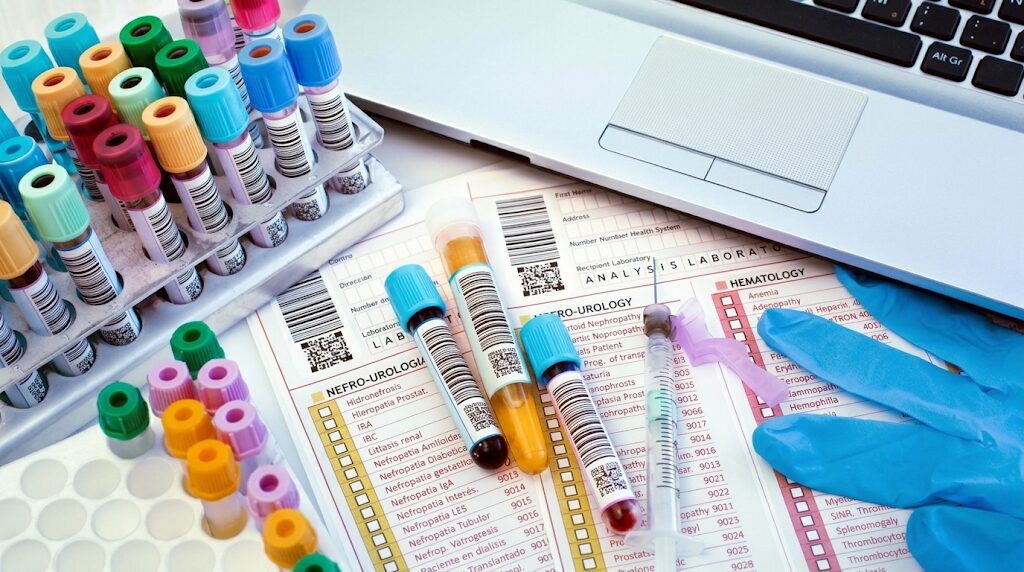
Why Manual Systems Become Harder to Manage as Labs Grow
Manual processes often develop gradually. A spreadsheet is introduced to track samples, another is created for inventory, and separate files are maintained for test results, equipment records, and reporting.
Over time, information becomes distributed across multiple locations. Staff may have to check several files or contact colleagues just to understand the current status of a sample or task.
This creates several operational challenges.
1. Sample Tracking Becomes More Complicated
When sample volumes are low, staff can often track samples through spreadsheets, labels, and manual updates. As volumes increase, keeping every record current becomes more demanding.
A sample may pass through several stages, from registration and preparation to testing, review, and reporting. Each stage requires accurate information and clear responsibility for the next action.
If updates are delayed or recorded inconsistently, staff may struggle to establish where a sample is, what has happened to it, or what needs to happen next.
The result is more time spent checking records and following up instead of carrying out laboratory work.
2. Data Becomes Fragmented Across Different Systems
Growing laboratories often use separate spreadsheets or documents for sample information, test results, inventory, equipment, and reporting.
The challenge is keeping these records aligned.
For example, a change to a sample’s status may need to be reflected in multiple files. If one record is updated while another is overlooked, staff can end up working with conflicting information.
This also makes it harder to retrieve a complete history when investigating a result, reviewing a process, or responding to an audit request.
A laboratory needs more than somewhere to store data. It needs a reliable way to maintain consistent records across its activities.
3. Manual Data Entry Creates More Opportunities for Errors
Every time information is copied from one record to another, there is another opportunity for a mistake.
A sample ID can be entered incorrectly. A result can be copied into the wrong row. A status update can be missed. These errors may be small individually, but they can create significant confusion when records are used for testing, reporting, or review.
A 2025 study published in PLOS ONE examined the use of automated systems and LIMS in clinical microbiology laboratories in Thailand. It found that manual entry of data from automated systems into LIMS was still common for certain activities, including incubation, bacterial identification, and antimicrobial susceptibility testing.
The study is specific to the laboratories surveyed, but it highlights an important point: having automated instruments does not necessarily mean information moves automatically through the entire laboratory workflow.
4. Reporting Takes Longer as Information Spreads Out
When information is maintained in different spreadsheets, documents, and systems, preparing reports can involve collecting and checking data from several sources.
Staff may need to confirm sample details, verify results, check whether records are complete, and resolve inconsistencies before a report can be finalized.
As workloads increase, this administrative effort can become a bottleneck.
It also makes it harder for laboratory managers to get a clear view of ongoing work. Without accessible, up-to-date information, understanding workloads, identifying delays, and monitoring operational performance can take more effort than necessary.
5. Maintaining Traceability Becomes More Difficult
Traceability is not just about knowing where a sample is. It also means being able to establish what happened to it throughout its lifecycle.
Laboratories may need to retrieve information about sample receipt, handling, testing, storage, transfers, and results. When these details are recorded across different files or paper documents, reconstructing the full history can take considerable time.
This becomes particularly important during audits, investigations, and quality reviews.
Maintaining traceable sample tracking for auditors requires records that are complete, consistent, and accessible when needed.
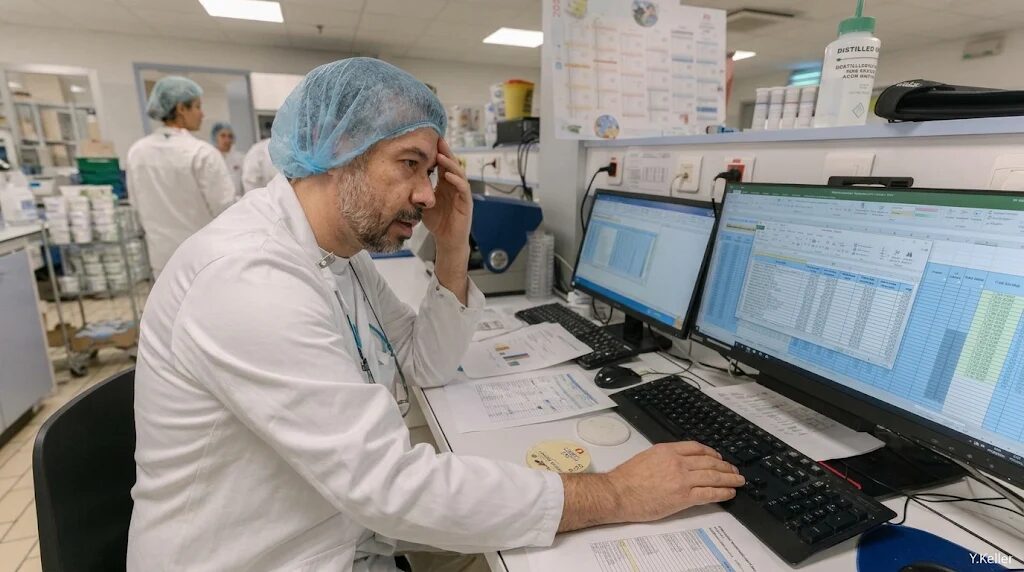
The Real Cost of Relying on Manual Systems
The cost of manual processes is not always obvious. A laboratory may not see a direct expense from maintaining spreadsheets, but it still spends time updating records, checking information, correcting mistakes, and coordinating work between staff.
As sample volumes increase, these activities can take up a larger share of employees’ time.
One useful way to assess the problem is to look beyond the number of samples processed and consider the administrative effort required for each sample.
For example:
- How much time does staff spend registering and updating sample information?
- How often do employees need to search through multiple files to find a record?
- How much time is spent correcting data-entry mistakes?
- How long does it take to compile information for reports or audits?
- Are staff regularly following up on sample status because updates are not readily available?
If these activities increase alongside sample volume, the laboratory may have an information-management problem rather than simply a staffing or capacity problem.
How LIMS Helps Laboratories Adapt as They Grow
A Laboratory Information Management System (LIMS) provides a more structured way to manage laboratory information and workflows.
Instead of relying on separate spreadsheets and manual records, a LIMS brings relevant information into a centralized system. This helps laboratories maintain more consistent records, coordinate activities, and access information without repeatedly checking different sources.
The benefits become particularly useful as operations expand.
Centralized Sample and Test Management
A LIMS helps organize sample information and associated testing activities in one system.
Staff can manage sample records, follow testing progress, and access relevant information without relying on multiple disconnected files. This makes it easier to maintain visibility as the number of samples and tests increases.
More Consistent Laboratory Workflows
As laboratories grow, different employees may handle different stages of the same process. A structured system helps make those activities more consistent by keeping relevant information and work records connected.
This reduces dependence on individual employees remembering where information is stored or how a particular task is handled.
Better Access to Laboratory Information
When records are centralized, staff and managers can access relevant information more easily.
This supports day-to-day coordination and makes it simpler to review sample progress, retrieve test information, and prepare reports. It also reduces the need to repeatedly collect information from separate files.
Improved Oversight of Laboratory Resources
Growing laboratories also need to manage the resources behind their testing activities.
Reagents, chemicals, inventory, equipment, and calibration-related tasks all require proper records and follow-up. Managing these activities separately can make it difficult to maintain an overall view of laboratory operations.
A LIMS can help organize these records and related activities within the same information-management environment.
When Should a Laboratory Move Beyond Manual Systems?
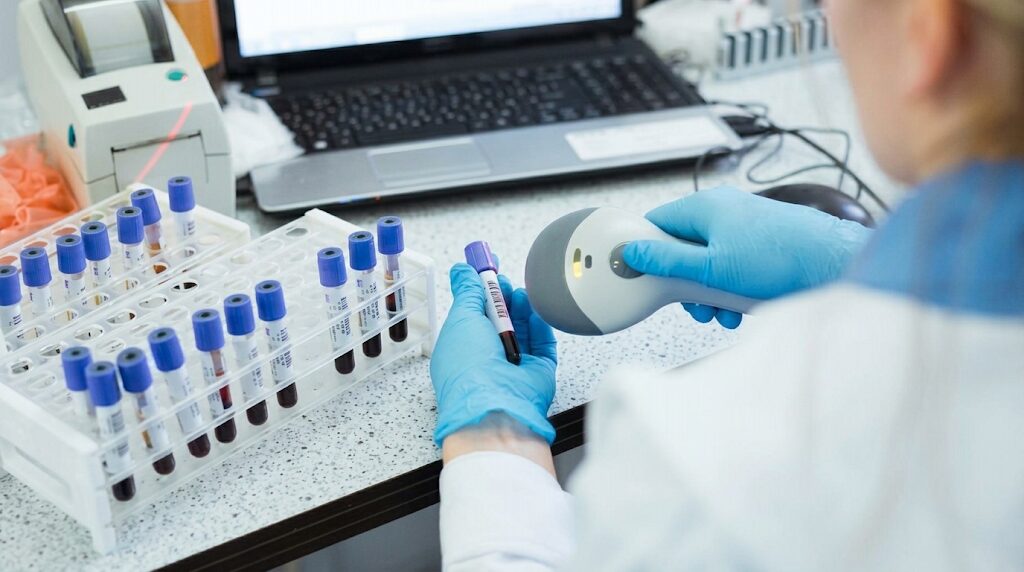
There is no fixed sample volume at which every laboratory needs a LIMS. The right time depends on the complexity of its operations, the number of people involved, and how much effort is required to keep information accurate and accessible.
However, some signs suggest that existing systems are becoming difficult to sustain:
- Staff regularly maintain several spreadsheets for related activities.
- Sample status updates depend heavily on manual follow-ups.
- Employees spend too much time searching for records or checking information.
- Reporting requires collecting data from multiple sources.
- Errors and inconsistencies are becoming harder to identify and correct.
- Audit preparation involves manually reconstructing sample histories.
A laboratory does not need to wait until these issues become serious. Recognizing them early can make the transition to a more structured system easier to plan.
How QISS LAB Supports Growing Laboratory Operations
QISS LAB is a Laboratory Information Management System designed to help laboratories manage sample tracking, testing activities, inventory, equipment-related tasks, and reporting through a centralized system.
As laboratory operations become more complex, QISS LAB provides a structured way to manage information and coordinate these activities without depending entirely on disconnected spreadsheets and paper-based records.
Its capabilities include sample and test management, work orders, chemical and reagent inventory management, calibration and task scheduling, and the generation of invoices, reports, and certificates. QISS LAB can also integrate with QISS QMS and other systems, helping laboratories connect their information-management processes.
The goal is not simply to replace spreadsheets with software. It is to give laboratory teams a more consistent way to manage growing workloads, maintain records, and access the information they need.
Growing Laboratories Need Systems That Can Grow With Them
Manual systems can be useful when laboratory operations are relatively simple. But as sample volumes, testing activities, and reporting requirements increase, maintaining information across separate files becomes more difficult.
A more structured approach helps laboratories reduce administrative effort, improve access to records, and maintain better oversight of their workflows.
If your laboratory is finding it increasingly difficult to manage samples, records, and testing activities through manual processes, request a QISS LAB demo to see how a LIMS can support your operations.