In today’s business landscape, safety, quality, and operational integrity are no longer treated as separate silos. Forward-thinking organizations recognize the value of integrating systems that not only ensure product or service excellence but also protect the well-being of their workforce. One standard that supports this shift is ISO 45001, a globally recognized framework for occupational health and safety. But where does it fit within the broader scope of a Quality Management System (QMS)? And how can businesses benefit from viewing these two standards not as separate efforts but as interconnected parts of a cohesive strategy?
What Is ISO 45001?
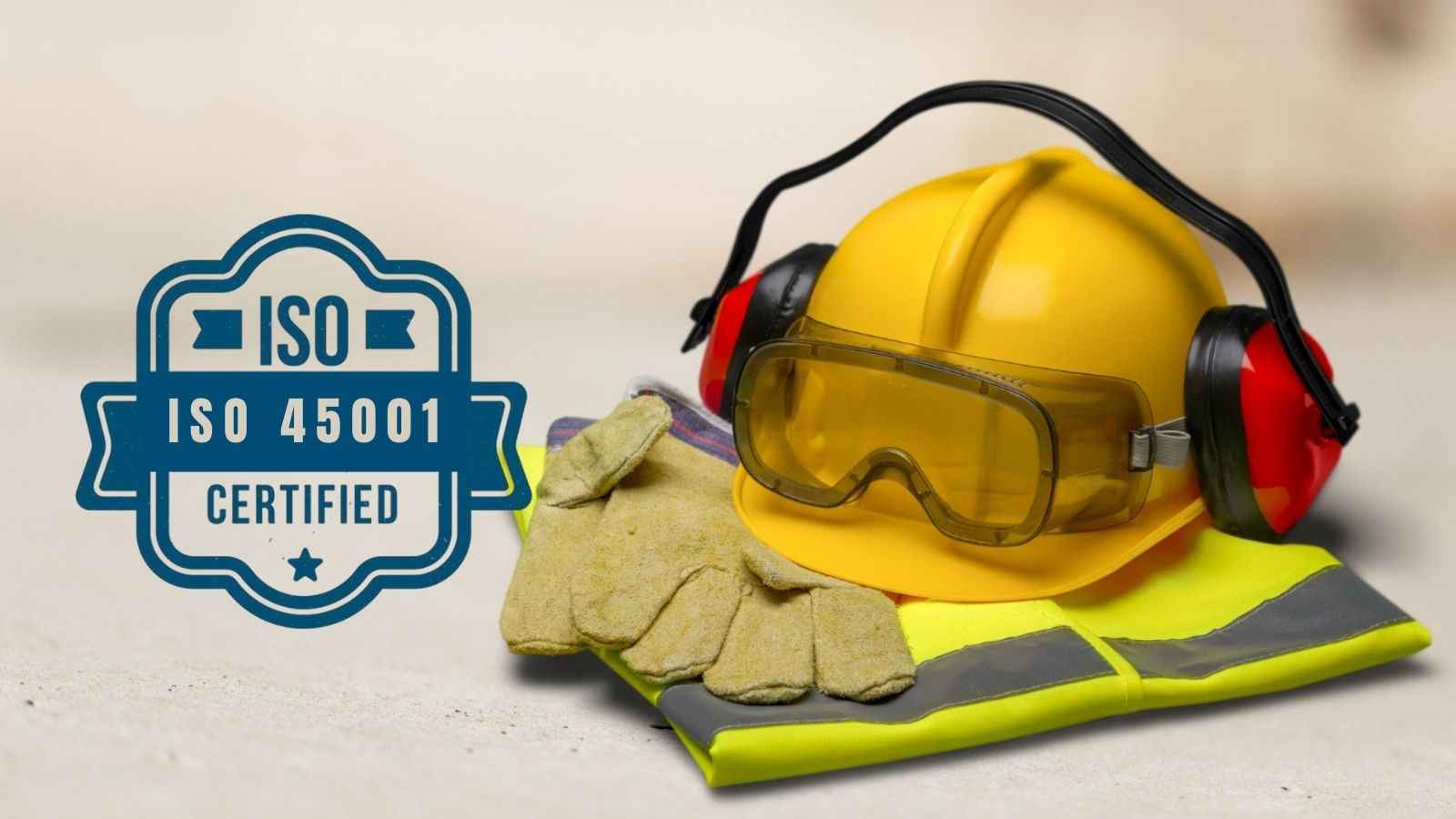
ISO 45001 is an international standard designed to help organizations proactively manage occupational health and safety (OH&S) risks. Introduced in 2018 as the successor to OHSAS 18001, it provides a systematic approach to improving employee safety, reducing workplace risks, and creating better, safer working conditions.
At its core, ISO 45001 is built around the idea of prevention. Rather than reacting to incidents, it encourages organizations to identify potential hazards, assess risks, and take steps to eliminate or control them. It emphasizes leadership involvement, worker participation, and continual improvement, embedding health and safety into the daily fabric of operations rather than treating it as a compliance formality.
Some of the key components include:
- A strong emphasis on leadership and employee engagement.
- Systematic identification and assessment of health and safety risks.
- Compliance with legal and regulatory requirements.
- Emergency preparedness and response planning.
- Ongoing monitoring, measurement, and performance evaluation.
What Is a Quality Management System (QMS)?
A Quality Management System refers to the structured framework an organization uses to consistently deliver products or services that meet customer and regulatory requirements. While there are many types of QMS frameworks, ISO 9001 remains the most widely adopted global standard.
A well-implemented QMS is rooted in principles such as customer focus, continuous improvement, process efficiency, and data-driven decision making. It’s not just about passing audits or checking boxes- it’s about building trust, improving consistency, and driving long-term business performance.
Where ISO 45001 Meets the QMS
One of the most valuable aspects of ISO 45001 is how naturally it integrates with an existing QMS. This compatibility is not coincidental- ISO 45001 shares the same high-level structure (Annex SL) as ISO 9001, making integration both logical and efficient. Organizations that already manage quality through ISO 9001 will find familiar elements in ISO 45001, such as risk-based thinking, leadership accountability, and continual improvement.
But beyond structural similarities, there’s a deeper synergy: both standards aim to create resilient, well-managed organizations. While ISO 9001 focuses on the quality of products and services, ISO 45001 focuses on the safety of people. Together, they reinforce each other. A safe workplace fosters better performance, fewer disruptions, and stronger employee morale- conditions that directly support quality outcomes.
The Strategic Business Advantage of Integration
When ISO 45001 is integrated into a QMS, it transforms safety from a separate responsibility into a strategic element of quality and business performance. The benefits of this integration are both operational and cultural:
- Unified Risk Management: Instead of managing operational, safety, and compliance risks in isolation, organizations can adopt a holistic approach. This leads to more accurate decision-making and streamlined corrective actions.
- Operational Efficiency: When safety procedures align with quality controls, there’s less duplication of effort and more consistency in documentation, training, and audits.
- Improved Internal Communication: A unified management system fosters cross-department collaboration and clear lines of responsibility.
- Enhanced Reputation: Demonstrating commitment to both quality and safety strengthens stakeholder trust- whether from clients, regulators, partners, or employees.
Implementation: What to Consider
Integrating ISO 45001 into your QMS doesn’t require starting from scratch. For most organizations already certified to ISO 9001, it’s a matter of aligning existing practices and filling specific gaps related to occupational health and safety.
Key steps might include:
- Conducting a gap analysis to identify where ISO 45001 requirements differ from current practices.
- Aligning company policies to reflect a unified approach to quality and safety.
- Updating risk assessments to include OH&S considerations.
- Providing training and resources to ensure employees understand their roles in both systems.
It’s also worth noting that integration isn’t just a technical process- it requires cultural alignment. Leadership must demonstrate a visible commitment to both safety and quality, and frontline employees must be encouraged to actively participate in identifying risks and suggesting improvements.
Use A QMS Software With Built-in Health and Safety Module
Integrating ISO 45001 into an existing QMS is significantly simplified with tools like QISS QMS, which includes a built-in Health & Safety Module. This module allows businesses to manage occupational health and safety risks within the same system they use for quality- promoting consistency, reducing duplication, and improving oversight. Implementing an integrated ISO management software platform in this context ensures that ISO 9001 and ISO 45001 requirements are addressed within a single, unified system, making it easier to manage audits, track risks, and demonstrate compliance across both quality and safety.
Importantly, the Health & Safety Module can be used as part of the full QMS or as a standalone solution, making it adaptable to different operational needs. Whether integrated or used independently, it supports key ISO 45001 requirements such as incident tracking, hazard identification, and compliance monitoring.
QISS QMS also offers a Risk Management Module, enabling organizations to assess and manage risks across quality and safety functions from a central platform. This unified approach strengthens decision-making, supports compliance, and fosters a culture of prevention.
By using QISS QMS, businesses can align ISO 9001 and ISO 45001 frameworks efficiently- enhancing both safety outcomes and overall operational performance.
Final Thoughts
ISO 45001 is more than a safety standard- it’s a catalyst for creating a responsible, high-performing workplace. When thoughtfully integrated into a Quality Management System, it helps organizations move beyond compliance and toward true operational excellence.
In a business environment where both customers and employees expect more, combining quality and safety into a cohesive system has now become a necessity. By uniting the goals of ISO 45001 and ISO 9001, organizations position themselves not only to deliver better products and services but to do so in a way that protects and empowers their most valuable resource: their people.
Related Articles:
- What is ISO Management Software and Why Your Business Needs It
- ISO 45001 Certification Using QMS Software: A Complete Guide
- Integrating ISO 9001, 14001, and 45001: One System, Multiple Certifications
- What Is The Difference Between ISO 45001 And ISO 9001?
- Understanding The Difference Between ISO 45001 And ISO 14001