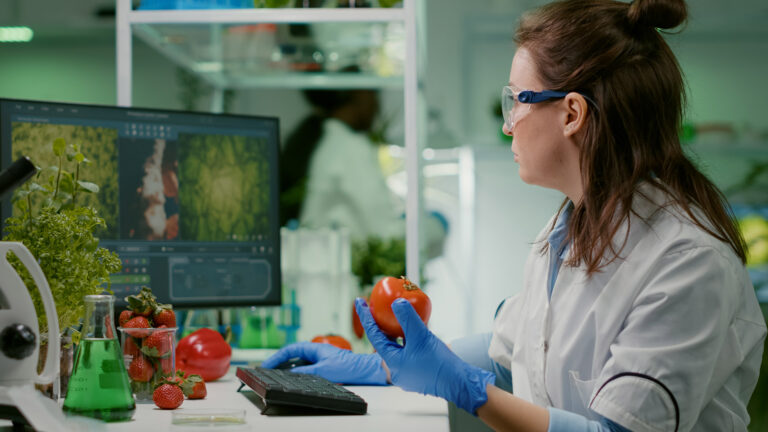
Why Supplier Ingredients Are the Biggest Blind Spot in Food Quality Management
In food manufacturing, quality is often discussed in terms of processes- temperature controls, sanitation protocols, testing regimes, and final product

In food manufacturing, quality is often discussed in terms of processes- temperature controls, sanitation protocols, testing regimes, and final product

In water testing laboratories, operational pressure tends to build quietly. It shows up in sample backlogs, in missed holding times,

ISO/IEC 17025 doesn’t fail laboratories because the requirements are unclear. It fails them because execution is inconsistent. Most labs already

In aerospace, measurement accuracy is a safety-critical requirement. Every dimension verified, every tolerance confirmed, and every test result recorded must

Most laboratory teams don’t notice a bottleneck when it begins. Work still moves, reports still go out, and on the

For testing and calibration laboratories, ISO 17025:2017 is less a static standard and more an ongoing operational condition. Accreditation is not secured

Laboratories are built on precision. From pharmaceutical testing to environmental analysis, the assumption is that results are reliable, reproducible, and
HACCP has long been the gold standard of food safety. Built on a preventive, science-based methodology, it transformed how manufacturers
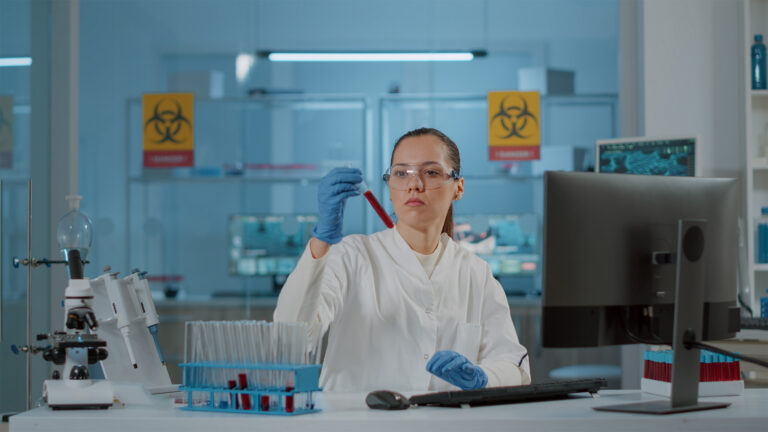
The bench is rarely where quality issues in laboratories start. They start at the entrance. A sample is received, recorded,
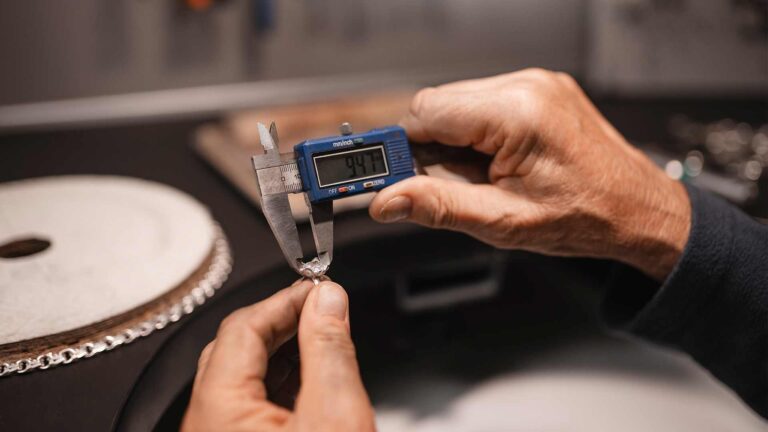
In regulated industries, calibration is often treated as a technical maintenance task- something that belongs to engineering or metrology teams. In reality,