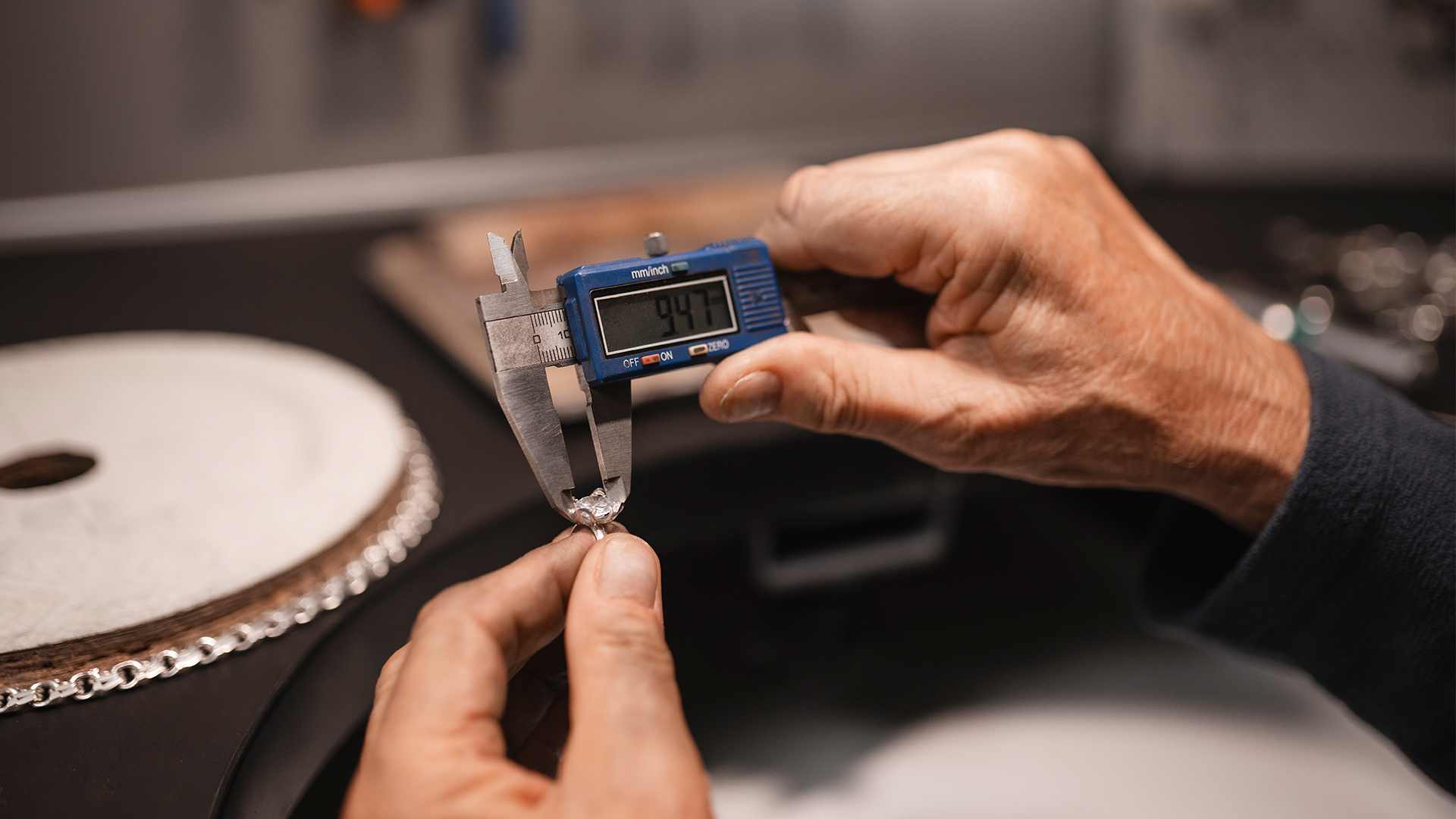
In regulated industries, calibration is often treated as a technical maintenance task- something that belongs to engineering or metrology teams. In reality, calibration sits at the center of product quality, data integrity, and regulatory compliance. When calibration management is tightly integrated with a Quality Management System (QMS), it shifts from being a reactive checkbox activity to a proactive control mechanism that protects patient safety, product performance, and organizational credibility. When calibration management is integrated directly into your QMS, it becomes a controlled, traceable source of quality intelligence rather than a standalone maintenance activity.
Organizations that still manage calibration in isolated spreadsheets or standalone tools often struggle with traceability, audit readiness, and risk visibility. Integration changes that dynamic. It creates a single source of truth where equipment performance, measurement uncertainty, deviation trends, and compliance evidence all connect to the broader quality ecosystem.
Why Calibration Cannot Exist Outside the QMS
Every critical quality decision relies on measurement data. If the instrument generating that data is out of tolerance- or its calibration status is unclear- then the downstream quality decision is questionable. That risk propagates quickly:
- Batch release decisions may be compromised
- Stability or environmental monitoring data may become unreliable
- Investigations may lack defensible measurement traceability
- Regulatory inspections may identify systemic data integrity concerns
When calibration management is embedded inside the QMS, calibration status becomes a live quality parameter rather than a static maintenance record.
Integrated environments typically allow:
- Automatic equipment status blocking when calibration expires
- Direct linkage between calibration failures and CAPA workflows
- Real-time audit trail visibility
- Risk-based calibration interval optimization
This turns calibration from an operational task into a quality intelligence input.
How Integrated Calibration Management Works Inside a QMS
True integration is not simply importing calibration certificates into a document repository. It means calibration data becomes structured, searchable, and actionable across quality processes.
Typical Integration Touchpoints
- Asset and Equipment Lifecycle ManagementCalibration history connects directly to equipment qualification, maintenance, and performance trending.
- Deviation and Nonconformance ManagementOut-of-tolerance events can automatically trigger investigations.
- Change ControlCalibration method changes or tolerance updates flow through formal change processes.
- Audit ManagementCalibration evidence is instantly available during internal and external audits.
- Supplier QualityThird-party calibration providers can be evaluated using performance metrics and certificate accuracy.
How Calibration Data Supports ISO 9001 Compliance
The quality management principles defined by the International Organization for Standardization emphasize controlled processes, traceability, and continuous improvement. Within ISO 9001, calibration aligns most directly with Clause 7.1.5 (Monitoring and Measuring Resources).
Integrated calibration supports ISO 9001 by ensuring:
Measurement Traceability
- Documented links to national or international measurement standards
- Verified calibration intervals based on risk and usage
- Controlled calibration procedures
Evidence-Based Decision Making
- Historical calibration performance data supports process capability analysis
- Trending helps detect early drift patterns before failures occur
Document and Record Control
- Calibration certificates stored with revision control and audit trails
- Automatic linkage between equipment and calibration SOPs
In an audit scenario, integrated systems allow quality teams to demonstrate not only that calibration was performed, but that calibration effectiveness is actively monitored. For a deeper understanding of clause-level expectations, see calibration requirements for ISO 9001.
How Calibration Data Supports ISO 17025 Laboratory Compliance
For testing and calibration laboratories, calibration is even more central. ISO 17025 focuses heavily on technical competence and measurement reliability. For a detailed breakdown, refer to calibration standard ISO 17025.
Integrated calibration management supports ISO 17025 through:
Measurement Uncertainty Management
- Storage and calculation of uncertainty budgets
- Linking uncertainty values to test methods and results
Method Validation and Verification
- Calibration performance trends can validate method stability
- Instrument drift analysis supports method suitability decisions
Environmental and Condition Monitoring
- Calibration performance can be correlated with environmental conditions
- Supports defensible root cause analysis during OOS or OOT events
Technical Record Integrity
- Full traceability from sample result → instrument → calibration event → reference standard
Without integration, labs often struggle to reconstruct this chain during assessments.
How Calibration Data Supports FDA Regulatory Expectations
Within regulated life sciences environments, calibration data supports core expectations from the U.S. Food and Drug Administration related to data integrity, equipment qualification, and electronic record reliability.
FDA-Relevant Calibration Contributions
21 CFR Part 11 (Electronic Records & Signatures)
- Secure calibration records
- Audit trails for calibration adjustments
- Electronic approval workflows
Data Integrity (ALCOA+ Principles)Integrated calibration helps ensure data is:
- Attributable (who calibrated, when, using what standard)
- Legible and permanent
- Contemporaneously recorded
- Original and accurate
Equipment Qualification Lifecycle (IQ/OQ/PQ)Calibration performance data supports ongoing verification of equipment fitness for intended use.
Process Validation SupportReliable calibration ensures process control data used for validation remains defensible over time.
The Business Impact: Beyond Compliance
Organizations that fully integrate calibration into QMS workflows typically see measurable operational gains:
Reduced Investigation Time
Calibration history is instantly accessible during deviations or complaints.
Fewer Production Disruptions
Predictive calibration scheduling reduces unexpected equipment downtime.
Stronger Audit Outcomes
Auditors increasingly look for data connectivity, not just document availability.
Risk-Based Decision Making
Trending allows quality teams to adjust calibration intervals based on real performance data rather than fixed schedules. This is best achieved through an automated quality management solution that enables predictive quality and workflow automation.
Where Many Organizations Still Struggle
Even mature quality organizations often face these challenges:
- Calibration data stored in PDF certificates instead of structured datasets
- Manual linking between calibration and deviation systems
- Lack of automated equipment lockout when calibration expires
- Limited visibility into multi-site calibration performance trends
These gaps create hidden compliance and product quality risks.
The Future: Calibration as Quality Intelligence
The direction is moving toward predictive quality ecosystems where calibration data feeds analytics engines. Forward-looking organizations are already:
- Using calibration drift trends to predict instrument failure
- Linking calibration data with environmental monitoring and process performance
- Automating risk-based calibration interval adjustments
- Integrating supplier calibration performance into vendor risk scoring
In this model, calibration becomes part of continuous quality verification rather than periodic compliance maintenance.
Final Perspective
Calibration management, when isolated, answers a narrow question: Was the instrument calibrated?When integrated into the QMS, it answers the questions regulators and quality leaders actually care about:
- Can you trust the data?
- Can you prove traceability instantly?
- Can you predict quality risk before it becomes a deviation?
Organizations that treat calibration as a strategic quality data stream- not just a maintenance function- are consistently better prepared for audits, better protected against data integrity risk, and better positioned to move toward predictive quality operations.
For laboratories and manufacturing organizations looking to fully integrate calibration management with their quality systems, QISS QMS provides a centralized, cloud-native platform that ensures traceable calibration data, automates compliance workflows, and strengthens audit readiness. Explore how QISS can transform your calibration processes into actionable quality intelligence and support ISO 9001, ISO 17025, and FDA compliance initiatives.