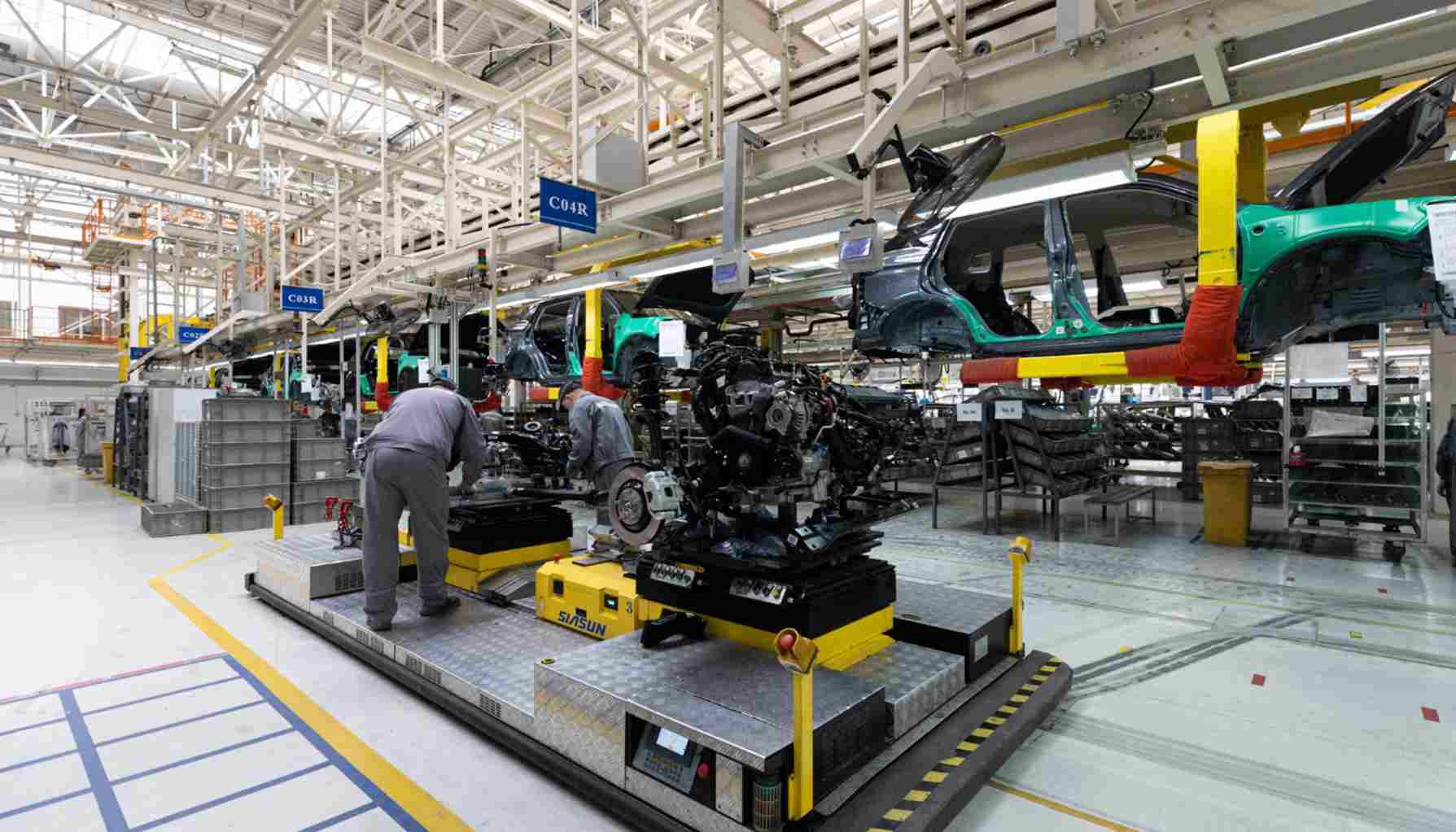
Manufacturing is one of the most crucial yet high-risk sectors in modern industry. Every day, workers operate heavy machinery, handle hazardous materials, and manage complex production lines — often under strict deadlines and performance pressures. In such an environment, safety cannot be left to chance or treated as an afterthought. It has to be managed with intention, structure, and genuine care for the people involved.
Safety management in the manufacturing sector is essentially the process of identifying potential hazards, minimizing risks, and building a workplace culture where safety is part of every decision. It is not limited to compliance with regulations; it’s about creating a system that protects both employees and operations, ensuring continuity and trust across the entire production chain.
Understanding the Core of Safety Management
At its core, safety management is about prevention. It begins with a clear understanding of the specific risks present in each area of the manufacturing process — from mechanical failures and electrical hazards to exposure to chemicals, fire, or ergonomic injuries caused by repetitive tasks. A well-functioning safety management system identifies these risks early and implements practical controls to reduce their likelihood.
However, safety management doesn’t stop at paperwork or hazard logs. It requires day-to-day attention. Inspections must be regular, equipment needs to be maintained, and employees should always know exactly what to do when something goes wrong. When safety measures are seamlessly integrated into daily work routines, they stop feeling like obligations and become instinctive behaviors.
The Role of Leadership and Organizational Culture
Leadership commitment is the single most important factor in building a safe workplace. If management treats safety as a box to tick for audits, employees will follow suit. But when leaders prioritize safety — discussing it in meetings, investing in better equipment, and acknowledging safe practices — it signals that people’s wellbeing truly matters.
A positive safety culture starts from the top but grows through communication and involvement at all levels. Supervisors should be approachable, and workers should feel empowered to point out unsafe conditions or near misses without fear of blame or retaliation. Transparency in reporting and accountability in corrective actions create an atmosphere of trust. Over time, this trust evolves into a collective responsibility, where everyone feels a personal stake in keeping the environment safe.
Training, Competence, and Continuous Learning
Even the best safety protocols can fail if workers don’t understand them or lack the skills to apply them. That’s why training management is at the core of any program. New employees should receive thorough orientation before they even set foot on the production floor, covering everything from machine operation and emergency procedures to proper use of personal protective equipment (PPE).
But effective training doesn’t end there. Refresher courses, workshops, and on-the-job coaching ensure that safety knowledge stays current. The manufacturing industry is constantly evolving — with new technologies, new materials, and new production methods — and safety practices must evolve alongside them. Reviewing past incidents, analyzing near misses, and discussing lessons learned are also key to continuous improvement.
When employees understand not just what to do but why it matters, they become active participants in maintaining a safe environment rather than passive rule-followers.
Technology’s Role in Modern Safety Management
Advancements in technology have transformed the way safety is managed in manufacturing. Automation and robotics now handle many of the most dangerous tasks, significantly reducing direct human exposure to risk. Sensors and IoT devices can monitor air quality, temperature, machine vibrations, and other indicators in real time, alerting operators to potential hazards before they escalate.
Digital reporting tools have also improved how incidents and inspections are documented. Instead of relying on paper forms that might get lost or ignored, digital systems allow instant reporting, data tracking, and trend analysis. This makes it easier for management to identify recurring issues and take preventive measures faster.
The same principle applies to safety procedures, work instructions, inspection checklists, and other controlled documents. A document control system for manufacturing helps ensure employees are working from the latest approved version, reducing the risk of outdated instructions being used on the production floor.
Still, technology alone isn’t enough. Machines and systems can provide information, but it takes human judgment to interpret that data and act on it effectively. The best safety outcomes happen when technology supports — rather than replaces — human responsibility.
The Business Case for Safety
Beyond its moral and legal importance, safety management directly affects a company’s performance. Accidents lead to downtime, damaged equipment, and loss of skilled workers — all of which cost money and disrupt production schedules. By preventing injuries and minimizing hazards, companies maintain steady productivity and protect their reputation.
A strong safety record also improves employee morale. When workers know that their wellbeing is genuinely valued, they are more engaged, loyal, and productive. This creates a ripple effect — fewer accidents, lower turnover, and a stronger, more resilient workforce. In today’s competitive market, a reputation for safety can also help attract clients and investors who view it as a sign of operational excellence and ethical management.
Conclusion
Safety management in manufacturing is not a one-time effort or a set of policies kept in binders. It is an ongoing commitment that touches every aspect of production — from how machinery is maintained to how people communicate on the shop floor. It requires leadership that leads by example, workers who feel empowered to take responsibility, and systems that adapt as technology and processes change.
Ultimately, good safety management is about respect — respect for human life, for skilled labor, and for the work itself. When safety is treated as part of a company’s identity rather than a compliance requirement, it creates a workplace where people can focus on doing their best work without fear. And that, more than anything else, is what keeps a manufacturing operation sustainable, efficient, and truly world-class.