












Risk Assessment Management and Monitoring Software
Our risk assessment management software is an intelligent digital solution designed to help organizations identify, assess, monitor, and mitigate potential risks that could impact operations, finances, reputation, or strategic goals. It streamlines the entire risk assessment process, enhances decision-making, and ensures compliance with regulatory standards.
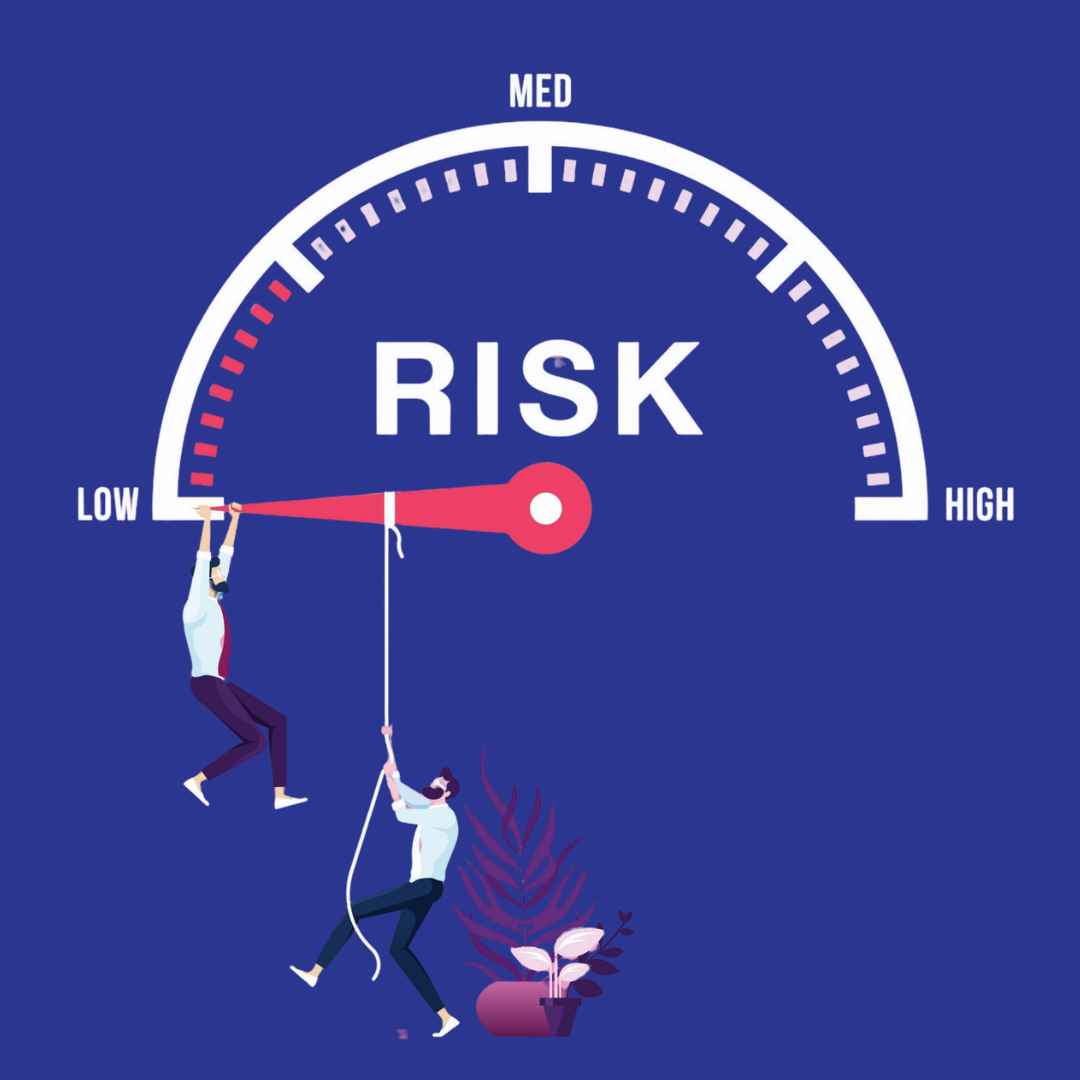
Empower your organization with real-time insights and intuitive tools — all in one secure, easy-to-use dashboard — to stay ahead of uncertainty, make informed decisions, and protect your business from unexpected challenges with risk monitoring system.
Our Clients


Key Pain Points in Risk Management
- Manual and fragmented processes, which often lead to delays, errors, and lack of consistency in risk handling.
- Limited visibility and accountability make it difficult to track ownership or progress, causing risks to remain unresolved.
- Additionally, inefficient communication and siloed data hinder collaboration and slow down decision-making across teams.
- Finally, a reactive rather than proactive approach means organizations often address risks only after incidents occur, reducing overall effectiveness in prevention and control.
Benefits of Our Risk Management and Monitoring Software
1. Risk Identification & Assessment
Easily capture, categorize, and evaluate potential risks across all areas of your organization. Assess each risk based on likelihood, impact, and severity to prioritize what matters most.
2. Risk Monitoring & Tracking
Track and monitor risks continuously with automated alerts, visual dashboards, and live updates to ensure timely responses and proactive management.
3. Risk Mitigation & Action Planning
Turn insights into action with structured risk mitigation and planning. Define targeted actions, assign ownership, and set clear timelines to control and reduce risks effectively.
4. Compliance & Regulatory Management
Stay aligned with industry standards and legal requirements. The software helps document compliance activities, track regulatory changes, and generate audit-ready reports.
5. Reporting & Analytics
Gain valuable insights through customizable reports, trend analysis, and performance metrics that support data-driven decision-making and transparent governance.
6. Incident & Issue Management
Log, track, and resolve incidents efficiently while linking them to related risks for a holistic understanding of risk exposure and impact in your organisation.
7. Document & Workflow Management
Centralize documentation, automate approval workflows, and ensure version control to maintain accuracy and consistency across risk processes.
8. Integration & Scalability
Integrate seamlessly with existing enterprise systems such as ERP, CRM, and project management tools, ensuring flexibility and scalability as your organization grows.
Features of Risk Assessment and Monitoring System
- The software offers secure, permission-based access and workflows for incident and observation reporting.
- It supports adding custom fields and initiating corrective actions directly from reports.
- Automated email notifications and real-time dashboards keep users informed and on track.
- Advanced search, save-and-resume functionality, report editing, and easy sharing enhance usability.
- It also integrates with other QISS QMS modules for comprehensive QHSE management.
Prioritize Risks with Precision
Managing risks effectively starts with understanding their true impact. Our risk management software simplifies this process by automatically calculating the Risk Priority Number (RPN) — a key metric that helps you assess and prioritize risks based on their severity, occurrence, and detection.
With powerful analytics and intuitive dashboards, you can quickly identify which risks need immediate attention and make informed decisions to reduce potential issues before they escalate.
Automated Risk Management Workflow
Our Automated Risk Management Workflow streamlines the entire process from risk identification to resolution. It begins with Risk Assessment, where risks are initiated, approved, assigned, and evaluated for consequences before final approval or RCA (Root Cause Analysis) creation.
The RCA process ensures deeper investigation through approval, responsibility assignment, and completion using the Five Whys method, leading to closure or the creation of Risk Prevention actions.
The Risk Prevention phase focuses on developing and implementing effective solutions—assigning responsibilities, verifying outcomes, and ensuring all actions are approved before closure. This end-to-end automation enhances accountability, traceability, and overall risk mitigation efficiency.
Risk Management Related Modules
Risk management is an essential part of maintaining quality and compliance across your organization. By embedding risk management within our comprehensive Quality Management System (QMS), we help you identify, assess, and mitigate risks in a structured, proactive way.
Risk Assessment
Systematic identify, analyze and evaluate risks that could potentially impact an organization’s objectives, processes, or resources.
Root Cause Analysis
Identify the underlying causes of incidents, failures, or deviations rather than just addressing symptoms. Common tools include 5 Whys and Fishbone diagrams.
Risk Prevention
Proactively implement controls, monitor, and process improvements to minimize risks, reduce costs, and enhance organizational resilience.
Document Control
Ensure risk-related documents are accurate, current, and accessible. It prevents miscommunication, supports compliance and audit traceability.
Training management
Ensures staff have the knowledge and skills to handle risks effectively. It involves identifying training needs, delivering targeted programs on risk awareness.
Audit management
Easily evaluate potential risks across all areas of your organization. Assess each risk based on likelihood, impact, and severity to prioritize what matters most.
Management of Change
Every change to processes, equipment, or operations is reviewed, approved, and implemented safely through a structured workflow from initial request to closure.
Extra Modules
Other than these we also have modules for NCR, CAPA, Customer Complaints, Supplier Management and more.
Enterprise Risk Management System
Our Enterprise Risk Management (ERM) Software delivers the same powerful functionality for both small and large enterprises, ensuring consistency, scalability, and ease of use across all organizations.
The platform offers a comprehensive suite of tools for risk assessment, RCA, and prevention—automating workflows, tracking accountability, and ensuring compliance.
The only difference lies in user capacity and pricing: smaller enterprises can start with a limited number of users at a lower cost, while larger organizations can scale up seamlessly with more users and enterprise-level access. This flexible model ensures every business—regardless of size—can benefit from the same high-quality, efficient risk management system tailored to their operational needs.
Types of Risks You Can Manage
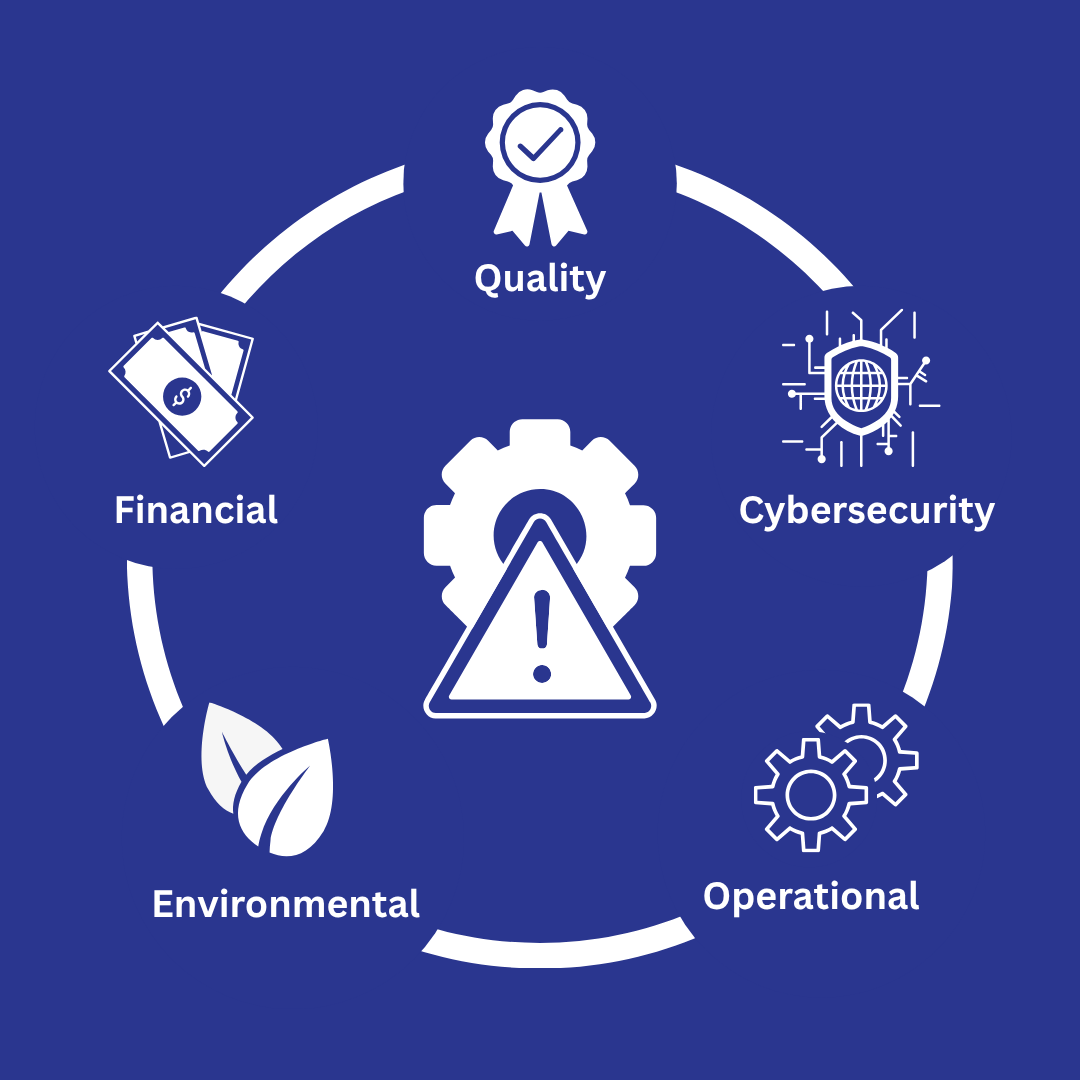
Our Risk Monitoring Software enables organizations to effectively manage a wide range of risks through a single, unified platform. It helps you identify, assess, and mitigate:
- Financial Risks – Monitor and control risks related to budgeting, investments, liquidity, and financial compliance.
- Operational Risks – Address process inefficiencies, equipment failures, supply chain disruptions, and other daily operational challenges.
- Cybersecurity Risks – Protect digital assets and data by tracking vulnerabilities, incidents, and corrective actions.
- Environmental and Quality Risks – Ensure sustainability and compliance by managing risks tied to environmental impact, safety, and product or service quality.
- Health and Safety Risks – Identify, assess, and mitigate workplace hazards, incidents, and compliance risks to protect employees, contractors, and visitors while meeting occupational health and safety regulations.
Our software provides full visibility and accountability across all these risk areas, helping organizations make informed decisions and maintain operational resilience.

Risk Management in Manufacturing
In manufacturing, risk management focuses on preventing equipment failures, supply chain disruptions, and workplace accidents. Companies use preventive maintenance, quality control, safety training, and insurance to maintain production continuity and protect employees.

Risk Management in Oil and Gas
The oil and gas industry manages risks like environmental incidents, equipment failures, and market volatility. Strategies include safety systems, environmental monitoring, emergency planning, regulatory compliance, and financial hedging to safeguard operations and the environment.

Risk Management in Aerospace
Aerospace risk management addresses system failures, human error, and supply chain disruptions. Organizations rely on redundant designs, predictive maintenance, regulatory compliance, and cybersecurity to ensure safety and reliability.

Risk Management in Construction
Construction risk management focuses on safety, cost, schedule, and legal compliance. Companies use project assessments, safety programs, contingency planning, contracts, and technology like BIM to reduce accidents, delays, and financial losses.