Oil and gas laboratories operate in one of the most demanding testing environments. Every sample- from crude oil composites to produced water, refinery intermediates, or environmental monitoring specimens- carries regulatory, operational, and commercial significance. The complexity of these workflows is amplified by the sheer diversity of analyses, the geographical spread of operations, and the stringent requirements for traceability and compliance. Managing these intricate processes effectively is essential not only for accurate reporting but also for ensuring safety, optimizing production, and maintaining stakeholder trust.
Laboratory Information Management Systems (LIMS) have become indispensable tools for navigating this complexity. By automating workflows, strengthening data integrity, and ensuring complete visibility across operations, a well-implemented LIMS transforms oil and gas laboratories into more efficient, reliable, and strategically aligned partners in the value chain.
The Challenge of Complex Sample Workflows
Unlike single-focus research labs, oil and gas laboratories must handle a constant influx of diverse sample types, often collected from multiple sites and transported under strict chain-of-custody requirements. Some of the common challenges include:
- High Sample Volumes: Exploration and production sites generate thousands of samples daily, ranging from drilling fluids to refined products.
- Varied Test Types: Analyses span physical properties, chemical composition, environmental impact, and quality compliance testing.
- Geographically Dispersed Operations: Offshore rigs, refineries, and remote test sites often submit samples to central or regional labs, requiring tight coordination.
- Regulatory Demands: Compliance with ASTM, ISO, API, and environmental regulations leaves little margin for error.
- Traceability Needs: Every step, from collection to reporting, must be auditable and defensible, particularly in the event of disputes or investigations.
Traditional paper-based systems or standalone spreadsheets are ill-suited for such a scale and level of complexity. This is where LIMS plays a transformative role.
How LIMS Streamlines Oil & Gas Laboratory Workflows
1. Automated Sample Registration and Tracking
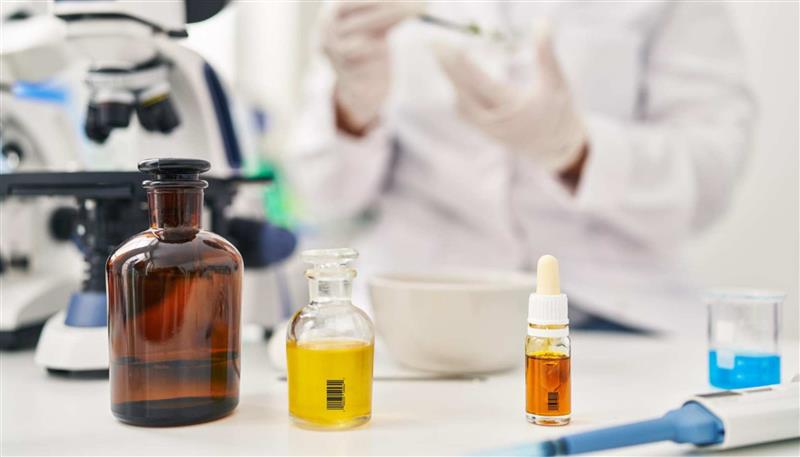
With LIMS, every sample receives a unique identifier as soon as it enters the lab. Barcode labeling allows staff to track its movement, storage, and processing in real time. This eliminates manual logging errors and ensures samples are never misplaced, even when volumes are high.
2. Standardized Workflow Management
Oil and gas testing often requires multi-step workflows involving several instruments and analysts. LIMS enforces standardized procedures, automatically assigning tests based on sample type, customer requirements, or regulatory protocols. This not only ensures consistency but also reduces variability in results.
3. Instrument Integration
Modern LIMS platforms integrate seamlessly with laboratory instruments. Data can be captured directly from chromatographs, spectrometers, and other analytical equipment, minimizing transcription errors and accelerating turnaround times. This integration also supports validation checks, ensuring results are within acceptable parameters before reporting.
4. Chain-of-Custody and Audit Trails
Every action taken on a sample- who handled it, when, and under what conditions- is automatically logged. This detailed audit trail is invaluable for both regulatory compliance and internal quality assurance. It provides transparency during audits and strengthens confidence in the integrity of the results.
5. Regulatory and Standards Compliance
A robust LIMS can be configured to align with industry standards such as ISO 17025, API guidelines, or environmental regulations. Automated alerts can flag deviations, helping laboratories stay compliant while avoiding costly penalties or retesting.
6. Data Consolidation and Reporting
Oil and gas companies require fast, accurate insights to make operational decisions. LIMS consolidates test data into dashboards and customized reports, enabling managers to view performance trends, monitor quality metrics, and respond proactively to anomalies.
Strategic Benefits for Oil & Gas Companies
The adoption of LIMS delivers benefits beyond the laboratory.
- Operational Efficiency: Faster processing and reduced rework improve laboratory throughput.
- Cost Savings: By minimizing sample losses, transcription errors, and compliance failures, laboratories save substantial time and resources.
- Improved Decision-Making: Reliable, real-time data supports better decisions in exploration, production, and refining.
- Enhanced Client and Regulatory Confidence: Transparent audit trails and consistent results foster trust with regulators, partners, and customers.
- Scalability: As exploration and production expand, LIMS can scale to handle larger volumes and integrate with enterprise systems such as ERP or production management platforms.
Future Outlook: Digital Transformation in Oil & Gas Labs
The role of LIMS is expected to expand further as oil and gas laboratories embrace digital transformation. Integration with predictive analytics, Internet of Things (IoT) sensors, and advanced data visualization platforms will allow labs to move from reactive to proactive operations. In the future, laboratories will not only report on what is happening but also forecast potential issues, optimize processes in real time, and contribute directly to sustainability initiatives.
Conclusion
Managing complex sample workflows in oil and gas laboratories demands precision, transparency, and efficiency. A Laboratory Information Management System provides the framework to achieve these goals- standardizing processes, ensuring data integrity, and enabling laboratories to meet regulatory and operational demands with confidence. For an industry where data accuracy and trust are non-negotiable, LIMS is a strategic enabler of performance, compliance, and long-term competitiveness.
To learn how LIMS can help your oil & gas lab with complex sample workflows, schedule a free demo with us now.