
Calibration Management and Tracking Software
Keeping equipment accurate and compliant can be challenging, with missed schedules, lost records, and manual errors. Our calibration management software makes it simple by automating scheduling, tracking, and documentation, generating certificates, and sending reminders so nothing is overlooked. Save time, reduce mistakes, and ensure your equipment is always audit-ready with ease.


Our Clients





Automate Your Calibration Process with Our Calibration Management Software
Take the hassle out of calibration with our all-in-one software. Designed for precision and efficiency, it streamlines the entire process, reduces errors, and saves you valuable time. Whether you’re in the lab, on the production floor, or in the field, our intuitive platform makes calibration simple, accurate, and stress-free.
Tracks Calibration Activity
Monitor every calibration in real time. Keep a complete log of when calibrations were done, by whom, and the results—making oversight simple and transparent.
Printed Stickers
Easily label calibrated equipment with printed stickers containing key information such as next due date, calibration status, and identification, making compliance visible at a glance.

Automates Scheduling
Never miss a calibration again. The software automatically schedules calibrations based on your timelines, ensuring all equipment stays accurate and compliant without manual tracking.
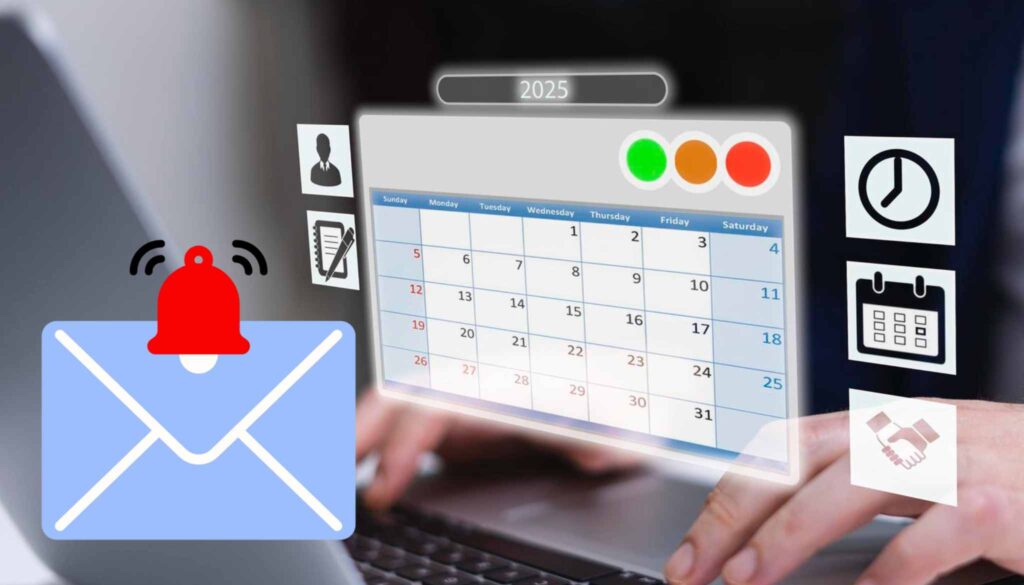
Automated Reminders
Never worry about missing a calibration. The system sends automated reminders for upcoming and overdue calibrations, keeping your workflow on track and reducing errors.
Audit-Ready Records
All calibration data is securely stored and organized, so you’re always prepared for audits. Full traceability and historical records are available at a click.
Pre‑built Calibration Form
You will get ready-to-use digital or printable forms designed to standardize the recording of calibration activities, ensuring consistent data capture, traceability, and compliance with quality and regulatory requirements. They typically include equipment details (ID, type, and location), calibration date and due date, reference standards used, measured values versus acceptable limits, observations or notes, and technician name and signature, helping organizations streamline calibration processes, reduce errors, and maintain audit-ready records.
Key Features of Calibration Management
Role Based Access
It limits system access based on user roles, ensuring each user can only view and perform actions relevant to their responsibilities.
Unlimited Equipment
You can register and manage any number of instruments without restrictions, supporting scalability as your operations grow.
Dashboards
It provide clear, real-time visibility into calibration status, performance metrics, and key trends at a glance.
Sharing & Export
It lets you quickly share and export calibration data and reports with the right stakeholders, improving collaboration and visibility.
Custom Field
It allows you to add and manage user-defined fields to capture information specific to your calibration processes and organizational needs.
Integration
It enables seamless connection with other systems such as ERP and MIS, allowing calibration data to flow automatically and stay consistent across your tools.
End-to-End Calibration Workflow
Our software manages the entire calibration process seamlessly, covering every step from scheduling and execution to documentation and reporting. It provides complete visibility into all instruments, ensuring that each piece of equipment is calibrated on time and within specified tolerances. The system continuously monitors measurement accuracy, flags any deviations, and helps maintain compliance with industry standards.

Equipment and Tool Calibration
Ensure that all measuring and test instruments are maintained and calibrated at defined intervals to deliver accurate, reliable, and consistent results. Instrument calibration management software supports the complete calibration lifecycle — including planning, scheduling, execution, documentation, and traceability — helping organizations automate control, maintain compliance, and sustain confidence in measurement outcomes.
Tolerance Management
Define and control acceptable measurement limits to ensure equipment performance remains within specified thresholds. Equipment calibration management software helps continuously monitor tolerance compliance, automate alerts, and enable timely corrective actions when deviations occur—minimizing quality risks, preventing nonconformities, and supporting ongoing regulatory compliance.

How Do Calibration Differ from Quality Control?
Calibration focuses on ensuring that measuring and test equipment delivers accurate and reliable results by comparing it against defined standards, while quality control focuses on verifying that products or processes meet specified requirements. Calibration supports quality control by ensuring measurements are correct, whereas quality control uses those measurements to detect defects, maintain consistency, and ensure overall product quality.
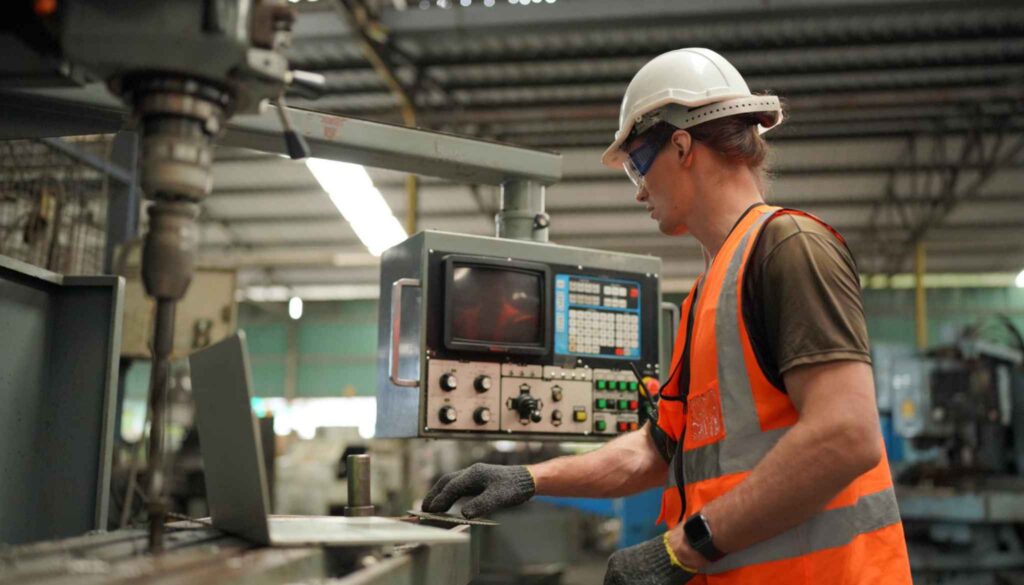
What is Calibration in Manufacturing?
is the process of verifying and adjusting measuring instruments and equipment to ensure they provide accurate and reliable results. Accurate measurements are critical for maintaining product quality, meeting regulatory standards, and preventing costly errors or rework. By systematically scheduling, documenting, and monitoring calibration, manufacturers can ensure consistency across production processes, maintain compliance, and build confidence in every product that leaves the facility.
Support Every Major Quality Standard
Our calibration management software is designed to help manufacturers stay compliant with all major quality standards, including ISO 9001, ISO 17025, ISO 13485, and industry-specific regulations. By ensuring that every instrument and piece of equipment is accurately calibrated and fully traceable, the system supports audits, reduces the risk of non-compliance, and strengthens overall quality management. Automated documentation, calibration histories, and real-time reporting make it easy to demonstrate adherence to standards at every step of the production process.
FDA
It requires that all monitoring and measuring equipment used in production, testing, and quality control be calibrated, maintained, and verified at defined intervals. Calibration must be documented and traceable, with records kept to ensure reliable results.
ISO 9001
It is a quality management standard that requires organizations to maintain monitoring and measuring equipment in suitable condition for accurate measurements. It emphasizes calibration at defined intervals and proper record-keeping to ensure service conformity.
ISO 13485
It is a quality management system standard for medical devices. It mandates that monitoring and measuring equipment be calibrated, validated, and maintained to guarantee compliance with device specifications and regulatory requirements.
ISO 17025
It defines the general requirements for the competence of testing and calibration laboratories. It ensures that laboratories maintain calibrated equipment, traceable measurements, and proper documentation to deliver reliable and accurate results.
Other Benefits From Us
Affordable Pricing
Offers cost-effective solutions for calibration management without compromising on features or quality. Affordable pricing makes it accessible for small and medium-sized businesses while maintaining compliance and operational efficiency.
Customer Support
Provides timely assistance to users for any issues related to calibration management, software use, or documentation. Good customer support ensures smooth operations and quick resolution of problems, improving overall user satisfaction.
ISO Auditors
Specialized guidance or support from ISO auditors helps organizations demonstrate compliance with standards such as ISO 9001, ISO 17025, or ISO 13485. This includes providing accurate calibration records, traceability, and documentation to simplify audits.
Frequently Asked Questions
Manufacturers, laboratories, and quality management teams that rely on precise measurements and need to maintain compliance with standards like ISO 9001, ISO 17025, ISO 13485, and other industry regulations.
The software schedules calibrations, tracks instrument performance, generates automated reminders, and maintains complete calibration records. This ensures that equipment stays within defined tolerances and that compliance documentation is always up to date.
Yes, the software supports all types of measuring and testing instruments, from basic tools to complex laboratory devices, with customizable fields for different equipment types and calibration requirements.
All calibration activities, histories, and reports are stored digitally with full traceability, making it easy to provide audit-ready documentation and demonstrate compliance with industry standards.
Yes, the system sends automated email notifications and alerts for upcoming or overdue calibrations, deviations from tolerances, and required corrective actions.
The software allows you to configure custom fields, and set tolerance limits, making it adaptable to your organization’s unique calibration processes.